The short version
- , Ask for the gradation sheet. A pit that will not produce one is telling you something.
- , Fines content and moisture at delivery decide whether you hit compaction or chase it.
- , Haul distance is often a bigger line item than the material itself in the Wasatch Back.
Same name, different rock
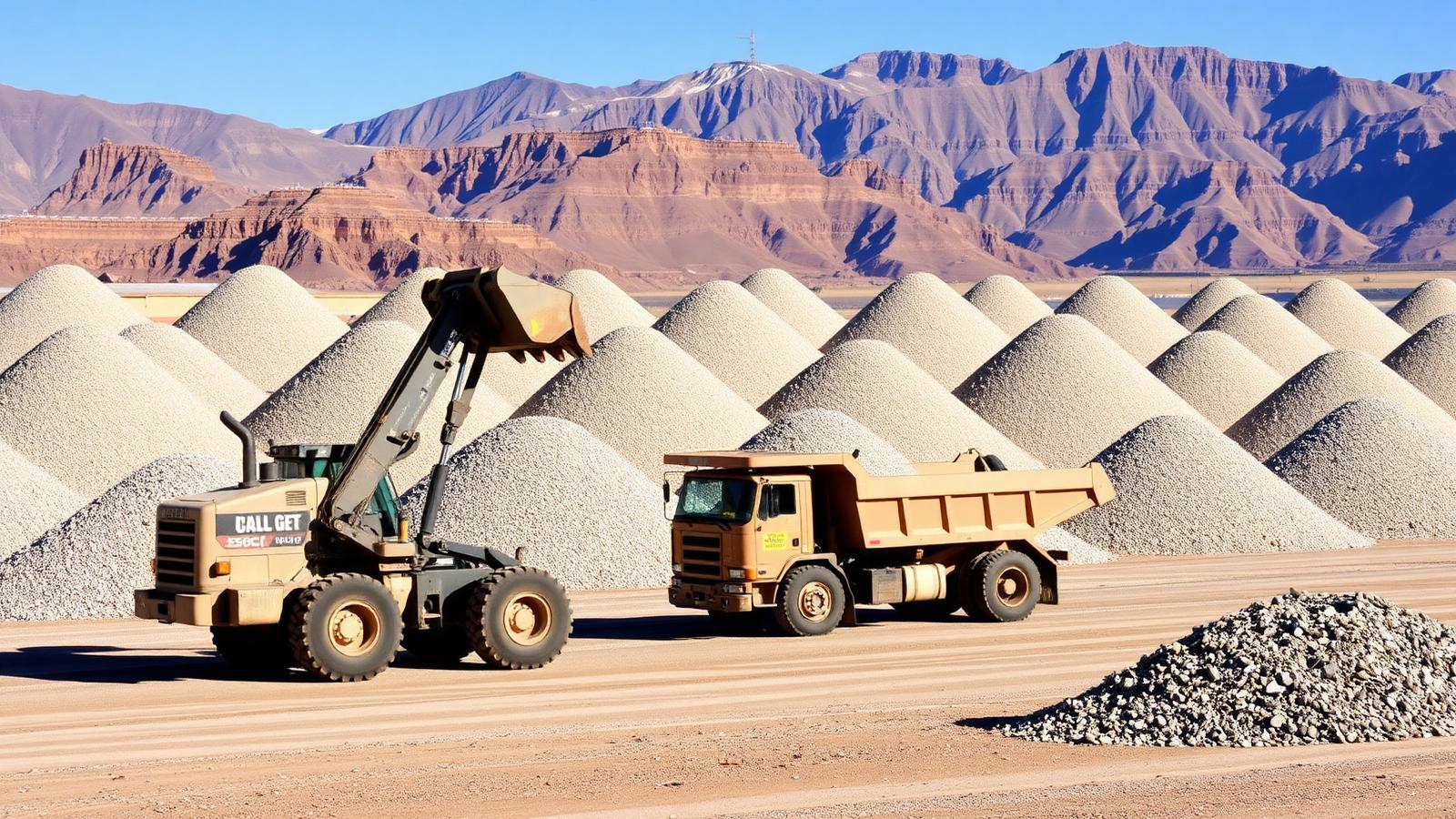
Untreated base course is a spec, not a product name. Two loads labeled 3/4-inch minus from two different pits can behave completely differently under a plate compactor. One locks up tight and takes a proof roll without a ripple. The other pumps, shoves, and leaves you adding lifts you did not budget.
The variables are gradation, the spread of particle sizes, fraction of fines passing the No. 200 sieve, plasticity of those fines, and how much of the aggregate is fractured face versus round river rock. Round rock rolls. Fractured rock keys together and stays.
Matching material to the job
Structural fill under a building pad is a different animal from driveway base, which is different again from pipe bedding. Bedding wants clean, free-draining, uniformly graded material that will not migrate into the pipe zone or bridge and leave a void. Drain rock behind a retaining wall wants to stay open, which means washed and wrapped in fabric so silt does not blind it in three seasons.
Topsoil is the one people cut corners on most, and it is the one the county inspects last. Weed-seed-loaded topsoil on a revegetation slope means a failed bond release inspection and a second seeding.
Haul distance is the hidden number
Pits around Peoa, Coalville, Heber and the Kamas Valley all serve this market, and every one of them is a haul into Park City. A material that is two dollars a ton cheaper and eighteen miles further out is not cheaper by the time you have paid for trucks up Browns Canyon into Park City in a snowstorm. On tight mountain sites where you can only stage one truck at a time, cycle time drives the whole day.
The other side of that math is the material you already own. Overexcavated native that meets spec, stockpiled and reused as fill, is the cheapest structural fill on any job. Knowing when the native works and when it does not is exactly the judgment that keeps a budget intact.
The pit relationship matters in March
Anybody can buy gravel in July. The value of a supplier relationship shows up during spring load restrictions, during a run on base when three subdivisions break ground the same week, and at 5 a.m. when you need a truck rescheduled. We buy here every week. That is worth something to the contractors we work for.
Want this handled instead of managed?
We do this work every week in Park City and 25 miles around. Call and we’ll tell you straight what your site needs.